

Executive Message
We are proud to present an overview of the Canadian Cancer Clinical Trials Network’s (3CTN) accomplishments and progress made throughout the 2025-2026 fiscal year.
New academic cancer clinical trials (ACCTs) added to the 3CTN Portfolio have kept pace with previous years. In keeping with trends observed in recent years, trial designs involving precision therapeutics are more common, signaling a need for capturing standard measures of trial site performance related to accrual efficiency for the smaller target populations. Our capacity to monitor trends such as this in the Canadian trial environment will be invaluable for adapting go-forward accrual strategies and targets. These new measures will also be included as a focus of renewal planning as the Network enters the last year of its current five-year strategic plan, along with refinements to our objective to improve site activation times so that trials can be more widely and equitably accessible for Canadian cancer patients.
As featured in this report, we undertook a comprehensive assessment of tracked outcomes and publications related to all academic trials completed over the last decade spanning 2015 to 2024. Drawing on foundational work to retrospectively and prospectively define and implement a standardized approach for categorizing 3CTN Portfolio trial impact, a structured review of identified ACCT outcomes posted to the registry, noted in scientific publications, and contributing to clinical care guidelines. The results serve to illustrate both the overall value of the high-quality, Canada-led research making up 3CTN’s academic trial Portfolio and the essential importance of the Network’s operating and reporting frameworks in enabling system-level evaluation.
Another significant accomplishment this year has been completion of the first year of systematic collection of patient self-reported race data for active trials on the 3CTN Portfolio across participating member cancer centres. For the first time, there is quantitative baseline information related to how trial populations compare with local, regional and national demographics. This will be highly useful in informing priorities and future strategies for addressing identified gaps affecting equitable access to academic cancer trials for underrepresented populations. For example, findings can contribute to ongoing assessment and improvements benefiting scaled implementation of the CRAFT decentralized trial model underway across the Network. Insights derived will also be published in a forthcoming report.
These and other featured highlights drawn from 3CTN’s 51 adult and pediatric Cancer Centres, central Coordinating Centre, governance groups and collaborative initiatives continue to demonstrate the unique capacity and essential value for system transformation that are made possible through collective network approaches aligned in strengthening Canada’s ACCT ecosystem.


2428 Patients Recruited

91 Adolescent and Young Adult Patients Recruited

16 Remote Access Patients Recruited

Demonstrating the Value and Impact of 3CTN’s Academic Clinical Trial Portfolio
ACCTs play a critical role in advancing patient-centred care, particularly in areas that are less likely to be addressed by commercial research, including rare cancers, vulnerable populations, supportive care, and treatment optimization. Through its national Network of adult and pediatric member cancer centres, 3CTN supports conduct of a Portfolio of more than 800 high-quality ACCTs grounded in shared strategy, governance, operational standards, and collaborative performance improvement. This coordinated approach helps ensure that academic trials selected for Network support are aligned with priorities that can improve trial access and clinical outcomes for patients across Canada.
To better understand and communicate the long-term value generated by 3CTN-supported trials, between 2022 and 2025, we undertook a substantial review of outcomes and publications related to the approximately 350 Phase II and Phase III Portfolio trials completed between 2015 and 2024. This work was made possible by a standardized approach to assessing trial impact, including evidence of trial completion, reporting, publication, guideline influence, and contributions to patient care and health system learning.
The Outcome and Impact of Academic Cancer Clinical Trials with Participation from Canadian Sites (2015–2024)
The findings demonstrate the value of maintaining a coordinated national Network capable of capturing robust, longitudinal data on trial outcomes. By linking site-reported Portfolio ACCT outcomes data with registry information, publications, and downstream indicators of impact, 3CTN is building a robust evidence base that shows how ACCTs contribute to practice change, guideline development, and improved care.
In 2025, 3CTN further strengthened this work by incorporating natural language processing and machine-learning tools to support cross-referencing and validation, improving the consistency and scalability of impact tracking. Among closed Phase III trials, 36 per cent were incorporated into clinical practice guidelines, and an additional 7 per cent were considered likely to be incorporated based on emerging evidence or regulatory decisions. Both positive and negative trial results contributed to evidence-based care by informing treatment recommendations, discouraging ineffective approaches, or refining patient management. Across all closed trials reviewed, 81 per cent had published results, demonstrating strong dissemination of evidence and reinforcing the value of continued investment in academic clinical trial infrastructure.
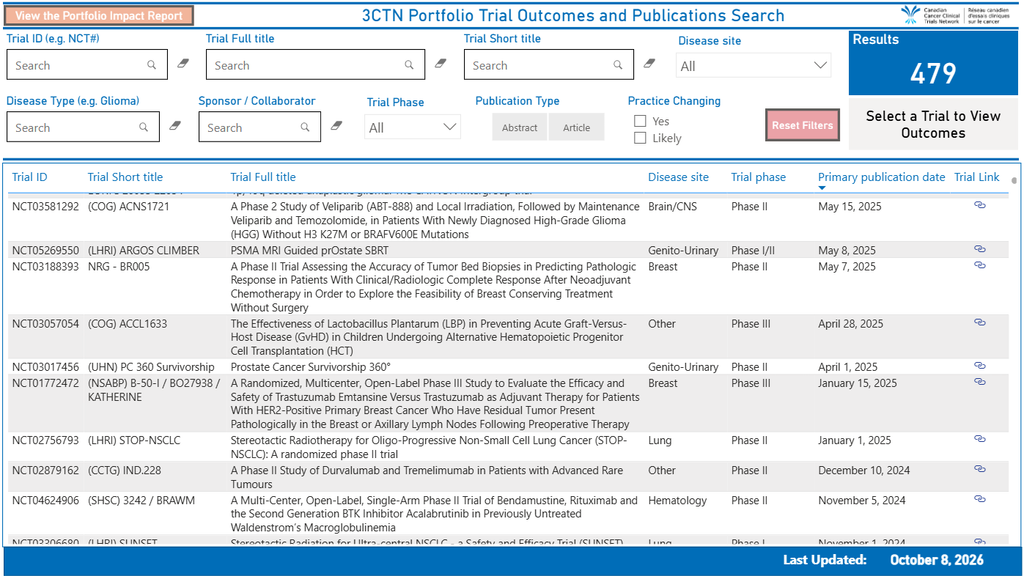
This analysis methodology and results were first presented at the Canadian Cancer Research Conference in November 2025 and finalized for peer-reviewed publication in Cancers in December 2025, alongside the launch of a searchable Portfolio Outcomes and Publications report. Together, these have helped to increase the visibility of 3CTN’s role in supporting high-quality academic cancer research and provide a transparent way to share the outcomes and impact of Network-supported trials with members, funders, researchers, and the broader cancer research community.

Advancing Equity in Cancer Clinical Trials: Collection of Self-Reported Race Data for 3CTN Portfolio Trial Patients
With funding from the Canadian Partnership Against Cancer (CPAC), 3CTN launched an initiative across 28 Network centres (21 adult and 7 pediatric) to implement standardized collection of Canadian race-based data for patients participating in academic cancer clinical trials within the 3CTN Portfolio. Participating centres received funding to develop and implement sustainable data collection processes aligned with Canadian Institute for Health Information (CIHI) standards for race-based and Indigenous identity data.
Race data was collected over a 12-month period for trial participants recruited between April 1, 2025, and March 31, 2026. Of the 28 participating centres, 25 submitted race data for Portfolio trial participants, while the remaining three centres are in the planning and approval stages. In total, centres reported data for 762 trial participants across 90 Portfolio trials, including 691 adult and 71 pediatric participants across four provinces (BC, ON, QC, and NS).
The initiative also provided an opportunity for centres to establish new processes, build capacity and explore how demographic data can be used to improve clinical trial participation.
From Data Collection to Action: BC Cancer’s Provincial Approach
BC Cancer’s coordinated provincial approach implemented across all six BC Cancer centres provides an example of how data collection efforts can be translated into meaningful action that stands to help make trial participation more equitable and accessible.
This initiative aligned with a provincial approach, helped standardize demographic data collection and supported the development of shared resources, including staff FAQs, training materials and implementation guidance. BC Cancer has collected key participant metrics such as age, sex, and home city for several years. Through the 3CTN initiative, BC Cancer was able to build on these existing data collection efforts by expanding the demographic information captured in its Clinical Trial Management System (CTMS) to include standardized Canadian race, ethnicity, Indigenous identity, and preferred language to create a more complete picture of clinical trial participation. Implementation efforts were also coordinated with the pediatric population at BC Children’s Hospital, supporting alignment in approaches to data collection across both adult and pediatric clinical trial settings.
The Provincial Health Services Authority (PHSA) Clinical Trial Support team developed dashboards connecting CTMS data with Power BI to better understand participant demographics, establish a baseline for future comparison, and support data-driven evaluation of equity initiatives. BC Cancer plans to use this data to better understand clinical trial participation in relation to the broader cancer population and to inform future efforts to improve equitable access.
“For the first time, we collected race, ethnicity, and Indigenous identity data in a coordinated and intentional way, providing a valuable baseline to better understand representation in clinical trials and inform future efforts to improve equitable access.”
– Heather Lockyer, Corporate Director, Clinical Trials Administration, PHSA
“Collecting Indigenous identity data is only the beginning. When we design research processes that respect Indigenous data sovereignty and community priorities, we create stronger partnerships and more equitable systems that benefit all patients.”
– Laura Rockafellow, Indigenous Cultural Safety Lead, Clinical Trials, BC Cancer
Building on the Momentum
Building on the processes and capacity established through the initiative, the majority of participating centres are planning to continue and expand demographic data collection beyond this initial reporting period, including collecting data across additional cancer trials and exploring the collection of additional social and demographic data to further understand representation in trials.
This initiative establishes an important baseline for understanding patient demographics in clinical trials. The data and experiences gathered by participating centres will help inform future health equity efforts and strategies to improve equitable access to clinical trials.
Acknowledgement:
This work has been made possible through collaboration and financial support from the Canadian Partnership Against Cancer Corporation and Health Canada.
BC Cancer’s work was enabled by the leadership of BC Cancer’s Clinical Research Unit managers and research teams across the province, who championed implementation and helped establish sustainable processes for demographic data collection. Special recognition goes to Agnes Sauter (Kelowna), Roel Schlijper-Bos (Prince George), Harjot Saran (Surrey), Oksana Korolova (Abbotsford), Vishaldeep Sidhu (Vancouver), and Kerry Adams (Victoria).

Introducing Carol Hill, Incoming Chair, Patient Representative Advisory Sub-Committee
Carol Hill’s experience as a breast cancer patient has shaped her commitment to advancing clinical research and improving access to clinical trials for others. After being diagnosed in 2014, Carol participated in three Phase I clinical trials, which provided important treatment options until she was able to receive pembrolizumab in 2019. Today, Carol’s scans have shown no evidence of cancer for the past four years, highlighting the importance of access to innovative treatments for cancer patients.
Drawing on her firsthand experience as a clinical trial participant, Carol chose to contribute as a Patient Partner with The Ottawa Hospital Cancer Centre in 2022. Since then, she has been involved with bringing the patient perspective to various research activities. Working closely with Nancy Drummond-Ivars, Senior Clinical Research Program Manager, Carol has helped increase awareness of clinical trials at the centre by speaking with cancer patients about the value of trials participation and how to identify clinical trial opportunities. She has also provided patient-focused feedback on trial proposals, helping investigators better understand participant needs and experiences. Through her advocacy and engagement activities, she has become a strong voice for patient-centered research and more equitable access to clinical trials.

“My experience has been incredibly rewarding and has led to opportunities to learn, contribute, and connect with others. I am passionate about promoting the value of clinical trials and advocating for greater accessibility and equity in research.” – Carol Hill
Carol will next bring her expertise to her new role as the incoming PRAC Chair at the Cancer Centre. She is also looking forward to increasing the profile and meaningful participation of Patient Partners in 3CTN’s priority activities, including improving accessibility and equity in clinical trials. In the coming year, Carol is interested in several 3CTN initiatives that are helping to support these priorities:
- Wider adoption of decentralized clinical trials using the Canadian Remote Access Framework for Clinical Trials (CRAFT) to reduce barriers to participation by expanding remote access opportunities
- Creating sustainable approaches to race-based data collection and use of this information to inform approaches to improving trial enrollment among underrepresented populations in clinical research
Together, our Network and the Patient Partner community are helping to build a more inclusive and patient-centered clinical trials landscape in Canada.

Empowering Patient Partners Through The 3CTN Travel and Education Grant
Patient Partners serve an important role in clinical research. Drawing on their lived experience and expertise, they can uniquely help shape research priorities, inform study design and ensure that research focuses on questions and outcomes that matter to patients.
However, there is an ongoing need for opportunities to connect with the broader trial community and build foundational knowledge related to clinical research, clinical trials, and patient engagement fundamentals. There is also a need to develop relevant skillsets that better enable meaningful contributions to research, collaborative projects, committee involvement and other roles.
In response and with funding support from Pfizer, 3CTN established the Patient Partner Travel and Education Grant to help Patient Partners access educational, professional development and networking opportunities. The grant provided a total of $10,000 in funding to support opportunities that align with Patient Partners’ individual interests, learning goals and roles in clinical research.
For Don Wood (Community & Patient Engagement Specialist, Colorectal Cancer Resource & Action Network), the grant allowed him to attend the Canadian Cancer Research Conference (CCRC).
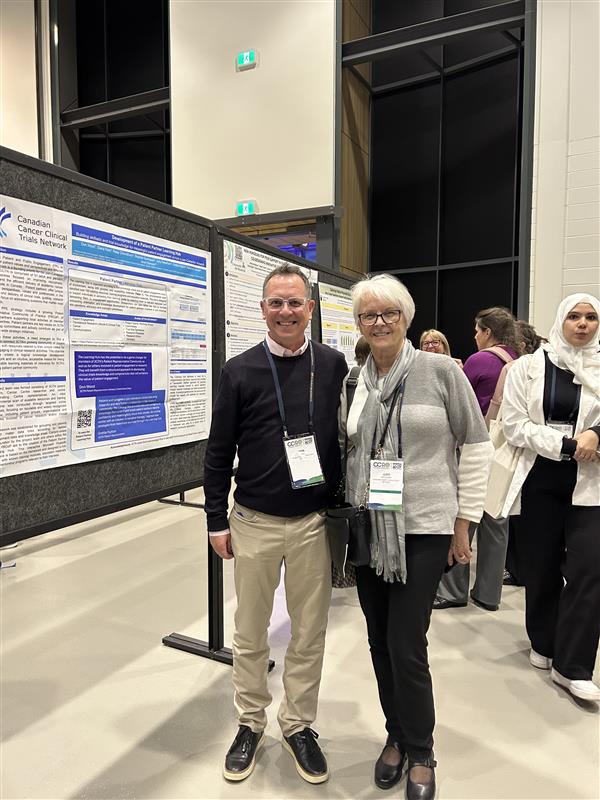
“CCRC is the premiere conference in Canada for cancer research. Not only was I able to network and share my poster with key partners across the cancer research community, but I was able to participate in the conference overall and connect with experts in their fields. The plenary talks and individual presentations on updates in cancer research kept me abreast of new and evolving research that ultimately impacts patients — my goal for attending as a patient partner and caregiver. Without this support from the Pfizer and 3CTN Grant, I would not have been able to access such an important learning opportunity. Support like this is crucial to my ongoing professional development as a patient partner.”
For Vinesha Ramasamy (Patient Advocate at AYA Cancer), the grant allowed her to attend the Canadian Pain Society Annual Scientific Meeting.
“As a long-term cancer survivor and patient advocate, I was particularly interested in learning more about the lasting impact of cancer treatments and clinical trial therapies on chronic pain and quality of life. The conference expanded my understanding of pain research, highlighting how biological, social and demographic factors influence pain outcomes and the importance of considering the whole patient experience alongside treatment effectiveness. The experience also connected me with researchers and clinicians working to improve pain management and patient outcomes. I have since begun sharing these learnings with adolescent and young adult cancer survivor communities and cancer research teams. These conversations have sparked new ideas about how pain research, quality-of-life considerations and patient experiences can be better incorporated into the development and evaluation of cancer treatments.”

For Michelle Audoin (Patient Advocate & CCTG Patient Representative Committee Chair), the grant allowed her to attend the Advanced Breast Cancer Eighth International Consensus Conference (ABC8).
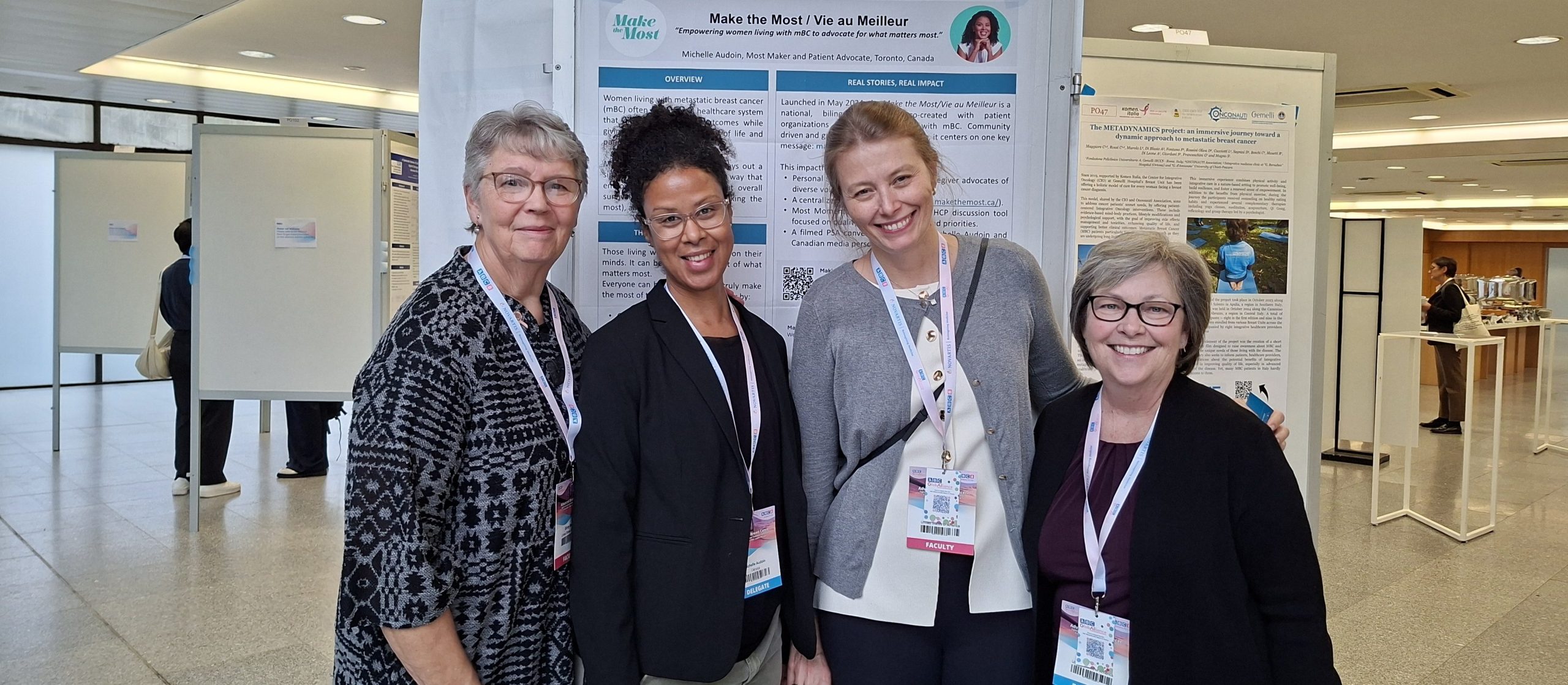
“The grant made my attendance at this major international conference possible because I was attending as an independent advocate, without an affiliation or support from a member organization. At the conference, I presented a poster from a metastatic breast cancer (MBC) advocacy campaign called Make the Most / Vie au Meilleur. I presented the resources it provided, the impact and reach the campaign had across Canada, and how the voices and experiences of people living with MBC and caregivers are at the centre of conversations about breast cancer.
Attendance at ABC8 gave me the opportunity to reconnect with the global MBC community and led to a role as a member of an international patient advisory board. The learnings and takeaways from this conference have had an impact on my roles back home in Canada. At CCTG, I was able to invite guest speakers to discuss the role that AI can play in collecting patient-reported outcomes in real time, as well as cancer trial designs that balance toxicity and effectiveness. I am truly grateful for the opportunity this funding has provided for my personal and professional development in cancer research and clinical trials.”
To date, four Patient Partners have accessed the grant, enabling them to participate in conferences and meetings. These experiences have allowed recipients to expand their knowledge of clinical research, develop new skills, connect with others in the field and bring new perspectives back to their work within 3CTN and the broader clinical research community.
Acknowledgement:
This grant has been made possible through financial support from Pfizer.

Strengthening Network Operations Through Collaborative EDGE Working Groups
Over the past year, 3CTN continued to play a central coordinating role in supporting the adoption and use of EDGE CTMS among Network sites. While EDGE began as a shared platform for quarterly reporting and national performance measurement, its value now extends well beyond routine data collection. Through 3CTN’s leadership, many Network sites are using EDGE as a common foundation for collaboration, standardization, and operational improvement.
The EDGE-Canada Data Harmonization Committee has been the foundation for this collaborative work. Originally formed in 2016 and revitalized in 2024, the committee now includes representatives from more than 25 Canadian licensed clinical trial site organizations, along with EDGE UK. Its focus is to standardize common data elements and workflows, support alignment on system updates, and identify shared operational issues that can benefit from a coordinated national effort.
Over time, several topics were found to require more focused discussion, leading to three working groups:
The Validation Working Group has focused on reducing the burden of local system validation by developing a National Validation Package for the Canadian EDGE community. This collaborative work supports a more consistent, comprehensive, and regulatory-compliant system validation approach for sites that meet local requirements, and helps minimize collective efforts, and supports data integrity. The group has also advanced planning for a shared Canada User Acceptance Testing environment, creating a more efficient model for future testing and validation activities.
The Workload Management Working Group has explored how workload-related data and complexity scoring for a given trial can be better integrated into EDGE to support local portfolio workload planning. By identifying opportunities to capture relevant workload elements within the system, the group has advanced discussions on how EDGE can support site trial unit managers with planning, resource allocation, and decision-making that can contribute to improvements in operational quality and efficiency measures.
The Finance and Costing Working Group has supported more consistent, comprehensive approaches to clinical trial budgeting, negotiation, and financial workflows. Sites have shared practical tools and strategies, including administrative start-up fee templates, local tracking templates, fee bundling practices, and early experience with the EDGE Financial Module. This exchange has helped build shared knowledge and identify opportunities to reduce variation and improve efficiency across the Network.
Each group brings together expertise from across the Network to address shared challenges, reduce duplication of effort, and develop practical solutions that meet local site needs while strengthening national consistency.
Together, these working groups demonstrate the value of 3CTN’s national coordination role. By convening sites, supporting shared problem-solving, and translating local experience into Network-wide learning, 3CTN has helped transform EDGE from a reporting repository into a practical platform for operational improvement nationally. This work has strengthened the Network’s ability to standardize practices, improve data quality, reduce duplication, and support more informed decision-making across Canada’s cancer clinical trial system.

“What stands out about the Canadian EDGE community is not only the scale of adoption, but also its commitment to collaboration. Through 3CTN’s national coordination, Canadian sites have built a framework that turns user experiences into shared solutions. This approach has become a model that other countries adopting EDGE can learn from and adapt to their own environments.” – Professor James Batchelor, University of Southampton Caldicott Guardian

High-Priority Trials: Supporting Access to Important Pediatric Research
The 3CTN-C17 node’s High-Priority Trial (HPT) initiative supports the identification and timely activation of pediatric clinical trials that address important research questions and have the potential to improve access to innovative approaches for children and adolescents with cancer.
C17 is responsible for identifying an annual set of 3-4 HPTs based on criteria that include:
- addressing an important question for a patient population in need of new treatments
- evaluating new approaches to treatment
- generating new knowledge or providing access to clinical research
- the importance of the trial to Canada and C17 centres.
Through incentive-based funding to pediatric Network Affiliated Cancer Centres, the initiative supports timely trial activation and participation across Canada.
The Children’s Oncology Group (COG) AALL1732 trial is an example of a high-priority trial supported through this initiative. AALL1732 is a Phase 3 randomized study for children and young adults with newly diagnosed high-risk B-cell acute lymphoblastic leukemia (B-ALL), evaluating whether adding two cycles of the targeted therapy inotuzumab ozogamicin to chemotherapy can improve disease-free survival. Inotuzumab had already demonstrated activity in adults with relapsed or refractory B-ALL and in children with relapsed or refractory disease, providing a rationale for investigating its use earlier in treatment for children with high-risk disease. For Canadian pediatric oncology centres, participation in AALL1732 provided an opportunity to contribute to a major international study addressing an important clinical question while providing patients with access to an innovative treatment approach.
AALL1732 also demonstrates the broader impact of coordinated support in high-priority research. Of the 13 Canadian pediatric oncology centres within the 3CTN Network, 11 achieved activation within the 90-day target. Across these centres, 142 participants were recruited between June 2020 and March 2026, including 29 through remote access and 22 adolescent and young adult participants.
These results demonstrate how an aligned HPT initiative across our pan-Canadian Network can lead to more timely trials access and enrolment for pediatric patients while strengthening research engagement, collaboration and capacity across our pan-Canadian Network of pediatric oncology centres.
Looking ahead, C17 and 3CTN will continue to identify and support high-priority pediatric clinical trials that address important clinical questions, advance innovative approaches and provide meaningful research opportunities for children and adolescents with cancer.


Additional National and Regional Performance Highlights
- Awarded seed funding to six cancer centres to implement the Canadian Remote Access Framework for Clinical Trials (CRAFT). The funding enabled sites to implement solutions that address challenges related to time, cost and local access to trial opportunities. https://3ctn.ca/new-funding-to-bring-cutting-edge-cancer-clinical-trials-closer-to-home-for-canadians/
- Held educational webinars, meetings, and workshops with a combined total attendance of more than 300 clinical research professionals and Patient Partners.
- National data quality improvements have been seen with member sites providing complete data sets for trial activation and patient recruitment to 3CTN Portfolio Trials.
| Province/Node | # of Sites | Regional Highlights & Accomplishments |
|---|---|---|
| Alberta | 2 | – Transitioned to a new provincial clinical trials management system – Successfully activate trials within 120 days |
| British Columbia | 6 | – Continued to participate in provincial EDI initiatives to improve EDI and best practices for cultural safety – Expanded CRAFT and decentralized clinical trials implementation to additional BC centres and trials – Successfully activated trials within 120 days |
| Manitoba | 2 | – Transitioning to a streamlined, provincial process for research administration, including ethics harmonization – Reduced time to first patient recruited |
| Ontario | 25 | – Implemented improved trial activation process, successfully activating Portfolio trials within 120 days – Created referral pathways with a Network Affiliated Cancer Centre to support decentralized clinical trials |
| Quebec | 2 | – Patient Partner supported presentation on improving awareness of clinical trials – Earned incentive-based funding for surpassing recruitment targets |
| Newfoundland | 1 | – Implemented new strategies to improve recruitment and trial activation |
| Pediatrics | 13 | – Opened more pediatric high- priority trials within 90 days – Participated in EDGE Working Groups and shared pediatric best practices with the Network |
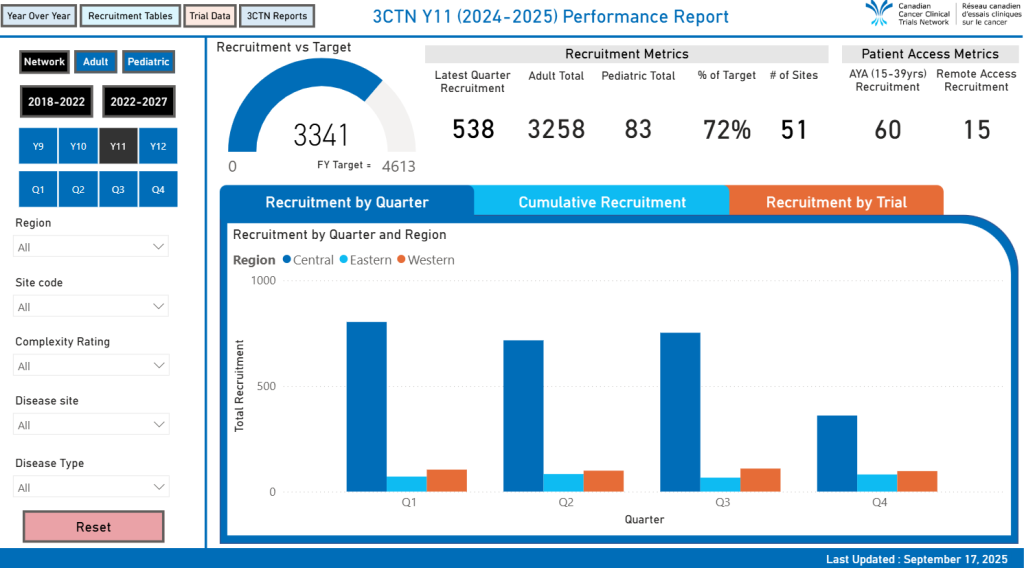
Network Performance Report
Compare and contrast network recruitment over the years. Explore top recruiting trials by quarter and fiscal year. Quickly see the networks performance to annual recruitment targets.
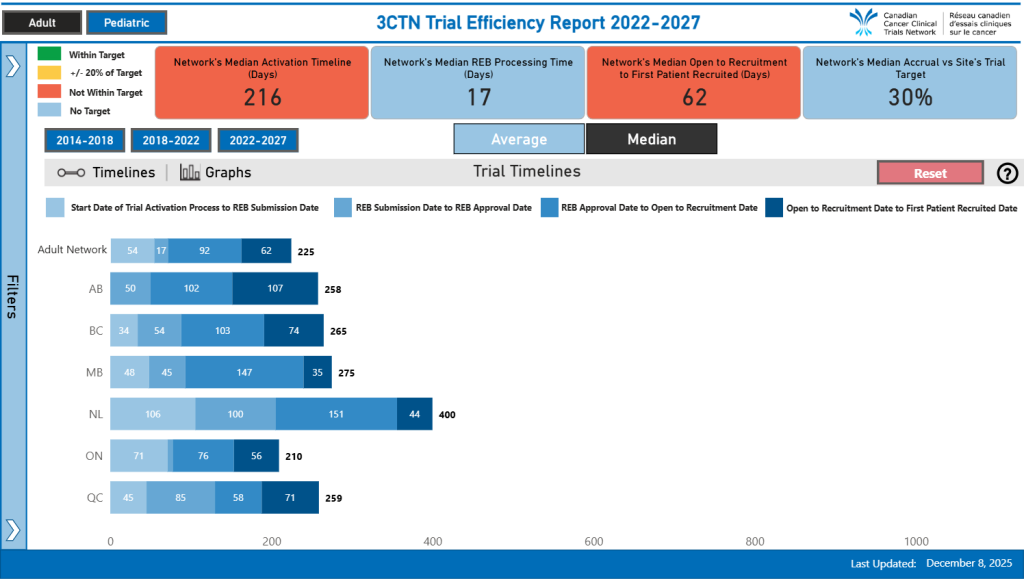
Site Efficiency Report
Analyze trial activation timelines by province and trial types. See how network targets have changed from business plan to business plan.
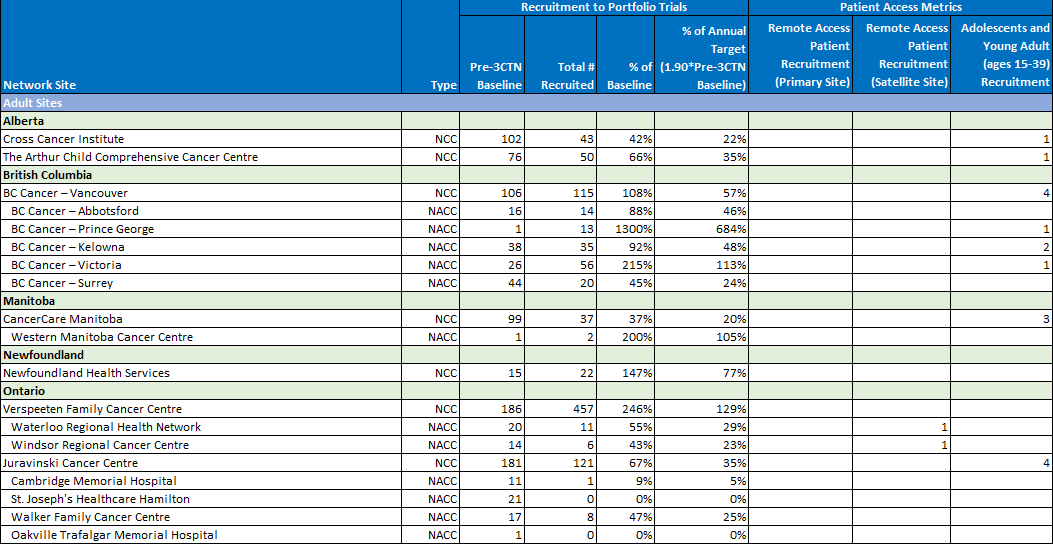
2025-26 Network Recruitment
Review the network’s recruitment metrics including AYA and remote access patient recruitment. See how the network preformed to the annual recruitment target of 1.95*Pre-3CTN Baseline.
Financial Statement
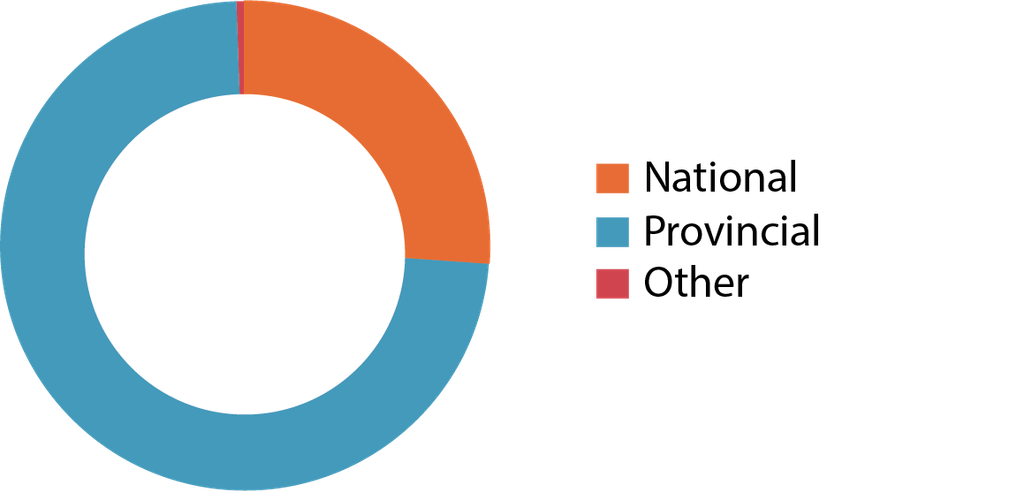
Revenues
$ Amount in CAD
| National | 1,341,119.00 |
| Provincial | 3,661,330.00 |
| Other | 31,500.00 |
| 5,033,949.00 |
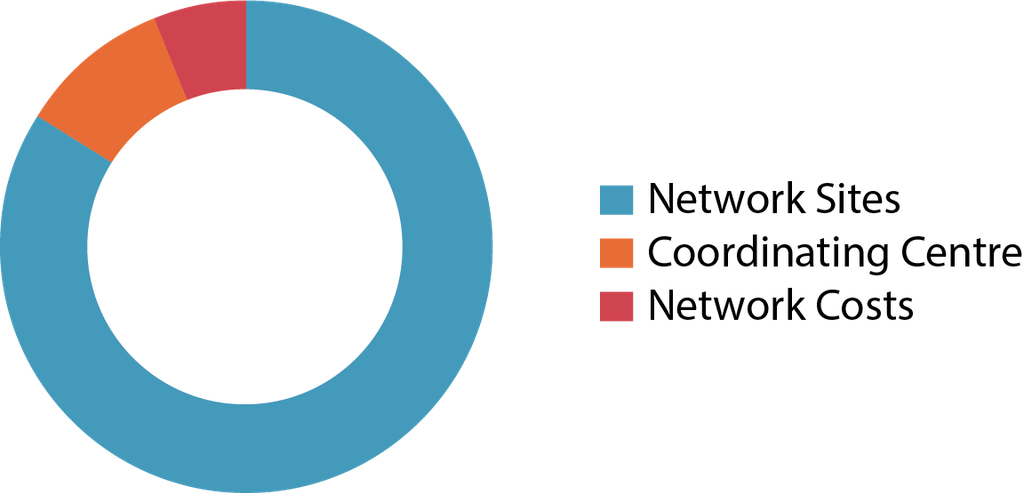
Expenses
$ Amount in CAD
| Network Sites | 4,397,910.74 |
| Coordinating Centre | 490,639.45 |
| Network Costs | 336,986.31 |
| 5,225,536.50 |
Net (revenue less expenses)
$ Amount in CAD
(191,587.50)
Funding Partners




Collaborators


